
As a teacher, what do you define your primary purpose as? We all know that a lot goes into supporting our students – we’ve been trained in SEL, Restorative Practices, Crisis Intervention, Maslow’s Hierarchy of Needs, and that list could go on. In addition to the training we’ve had, we have supervisory roles; we communicate with families, we manage our classrooms, we document student attendance, we collaborate with our colleagues, and we may even support students by organizing extra-curricular activities. Again, this list of additional duties could go on!
However, I would define our primary purpose as facilitating learning. If I were writing the job description for a teacher, the first bullet point would be “Plan, prepare, and deliver engaging lessons aligned with curriculum standards.” A second bullet point might be “Differentiate instruction to meet the needs of all students and ensure high levels of learning for all.” In addition, it’s important to remember that great teachers deliver the content and inspire curiosity, critical thinking, and a love for lifelong learning.
For a while now, the sign right outside of my office has said the following:
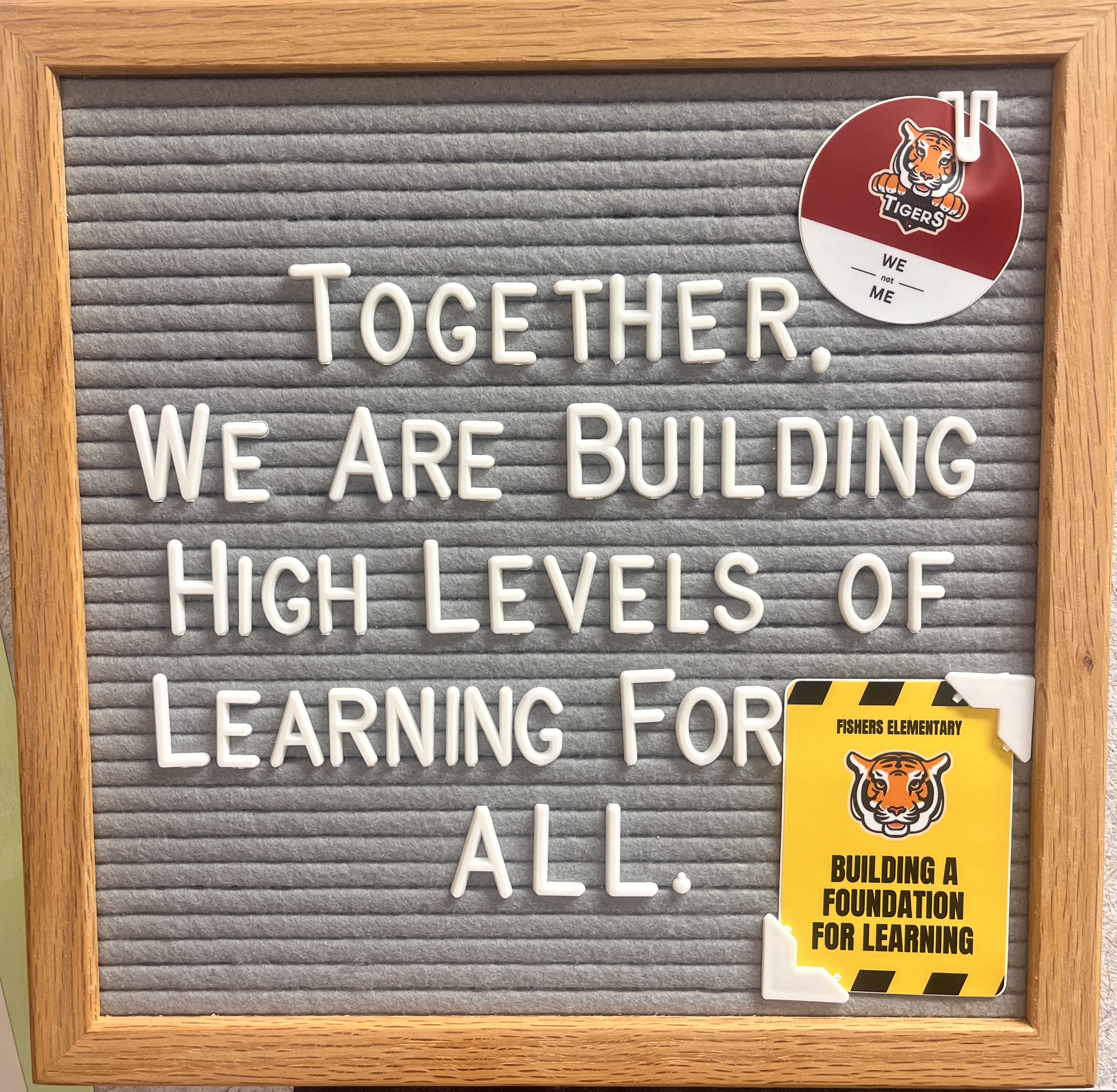
We must all commit as teachers: “If they didn’t learn it, then I didn’t teach it well enough.” Yes, we all want our students to be happy and to have fun. But we also need to ensure that they are learning. This may be a bit of a mindset shift, but that’s what is required for all students to achieve at the levels that we know they are capable of.
How often have you been sitting with someone, maybe in a meeting or even a conversation among friends, and you didn’t feel like you understood what they were discussing? What does that feel like? It has happened to me. My career path has been in education, so get me around a group of teachers or other educators, and I can make small talk all evening. But occasionally, I will be in a social situation where everyone there has been in the business world. They start talking about something relating to their business, and suddenly, I’m stuck in a conversation where I don’t understand what they are discussing or have nothing to add. I almost feel lost. While I can ask questions to learn more, it’s not a great feeling. But it’s essential to remember that for some of our students who haven’t learned what we expect them to know, that is what they feel like when they sit in our classrooms each day. Yes, they may be happy to be with friends, to have chances to socialize, or to go to recess. But should we settle for that being the times they feel happy at school?
If, as teachers, we spend all our time focused on making sure our students are happy, that takes away from our time to ensure that they are learning at the levels we need all students to achieve. I also find that when we worry about making sure they are happy, we will likely find excuses for not achieving where we hope they’d be. Remember that we only have 6 hours daily to help move our students forward.
Like me, I’m sure you have seen those lightbulb moments for students when something truly clicks. What was the facial expression of a student at that moment? It’s typically a massive smile for two reasons: first, they feel proud of themselves, and second, they are happy that they now “get it.” On the other hand, no amount of positive feelings due to SEL or other social justice type work will make them feel good when they realize they don’t get what you are teaching. They’ll feel lost, just like we do in those social situations I mentioned above.
I sometimes worry that we lower our standards for one reason or another. It never comes from wanting to negatively impact our students; I’m sure it comes from wanting to show them that we care. Eventually, our students will realize that they don’t get it, and the odds are that they will not feel good about themselves when that happens.
We must commit to pushing our students to mastery. Each of us must look at each student and think to ourselves that because of the work we are going to do with them, they will learn, they will find success, and that will bring about the greatest happiness of all.
That is the commitment of a teacher.
 The View from 518